Keeping a workplace clean and healthy might seem like a small detail, but it makes a big difference. From tidy desks to spotless floors, commercial cleaning plays a bigger role in business success than most people realise. It’s not just about looking good — it’s about creating a space where people can feel comfortable, safe, and focused.
explore some interesting and often surprising facts about commercial cleaning. Whether you run an office, a retail shop, or a large warehouse, understanding how professional cleaning works can help you build a more productive and positive environment for everyone who steps through your doors.
What is Commercial Cleaning, Really?
Commercial cleaning refers to professional cleaning services designed specifically for business premises, such as offices, warehouses, retail stores, and medical facilities. Unlike domestic cleaning, which focuses on personal homes, commercial cleaning follows stricter hygiene standards, uses industrial-grade equipment, and adheres to specific regulations depending on the industry.
Key Characteristics of Commercial Cleaning:
- Larger scale operations compared to residential cleaning
- Often scheduled after working hours or during low-traffic times
- Requires trained cleaners and specialised equipment
- Customised plans based on property type and usage
It’s a service built not only on cleanliness but also on consistency, safety, and efficiency.
1. A Clean Office Space Affects Employee Productivity
A tidy office isn’t just about appearances. Multiple studies have shown that employees who work in clean, organised environments tend to be more focused, happier, and less likely to take sick days. Clean spaces lead to clear minds.
Interesting fact: A study by HLW International LLP found that productivity increases by 5% in a clean workspace. That’s equivalent to an extra 12 minutes per employee, per day—which adds up significantly over a year.
2. Commercial Cleaners Often Work While You Sleep
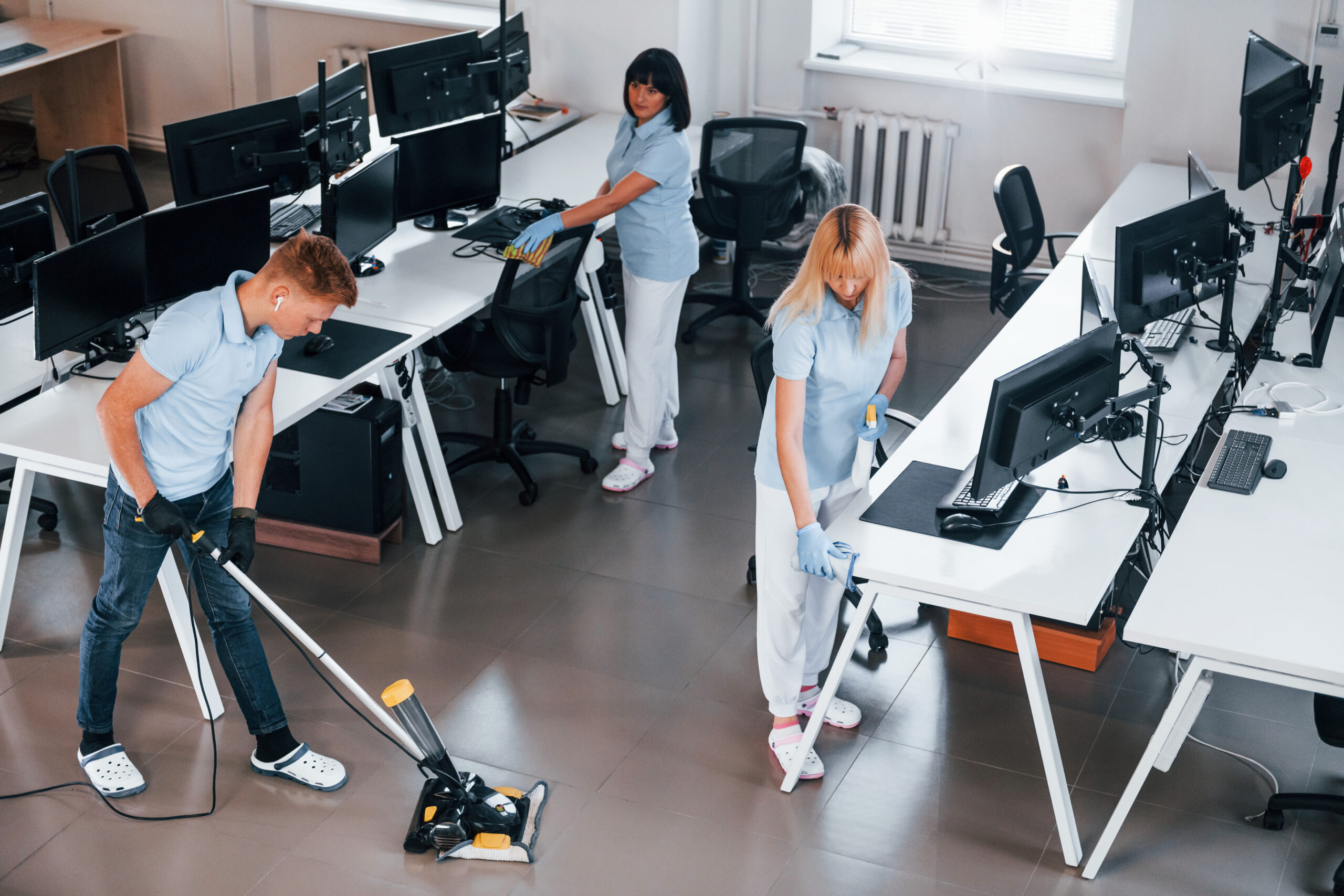
Ever wonder how your office always seems pristine by morning? Most commercial cleaning teams operate outside of regular working hours, often during the night or very early morning. This ensures they don’t interfere with day-to-day operations, keeping disruption to a minimum.
Night Cleaning Benefits:
- Reduced interference with business functions
- Allows deep cleaning with industrial products safely
3. Office Desks Are Dirtier Than Toilets
Yes, you read that correctly. Office desks can harbour 400 times more bacteria than a toilet seat. Phones, keyboards, and drawer handles are hotspots for germs—especially in shared spaces.
Common Germ Hotspots in Offices:
- Keyboard and mouse
- Desk surface
- Office phone
- Breakroom appliances (microwave handles, fridge doors)
- Lift buttons and door handles
Regular and targeted cleaning in these areas is not optional—it’s a hygiene necessity.
4. . Green Cleaning is Reshaping the Industry
Sustainability has become a priority in commercial cleaning. Many professional services now use eco-friendly products and methods that reduce chemical exposure, improve indoor air quality, and reduce environmental impact.
Benefits of Green Cleaning:
- Non-toxic and biodegradable products
- Safer for staff, clients, and cleaners
- Reduces allergens and respiratory irritants
- Often meets compliance standards for sustainable practices
At SmartClean, eco-conscious cleaning isn’t just a checkbox — it’s part of our core approach. We choose products and practices that are safer, smarter, and better for the long term. Because a clean workspace should also be a responsible one.
5. Commercial Cleaning Supports Health and Safety Regulations
Businesses have a legal and ethical duty to maintain a safe and healthy working environment. Professional commercial cleaning plays a key role in helping meet occupational health and safety standards by reducing hazards, controlling the spread of germs, and keeping high-traffic areas clean and well-maintained.
6. Not All Cleaning Products Are Equal
Industrial-grade cleaning products used in commercial cleaning are significantly different from household cleaners. They’re stronger, more targeted, and often require special training to use correctly. Some even require PPE during application.
7. Commercial Cleaning is Never One-Size-Fits-All
Every business operates differently — and so do their cleaning needs. A medical clinic needs strict sanitisation to meet health standards, while a retail shop may focus more on keeping display areas spotless and inviting. Even within office spaces, cleaning priorities can vary depending on foot traffic, staff numbers, and layout.
Commercial cleaning services are highly flexible and tailored to suit each environment. A reliable provider will assess your space and create a plan that works around your schedule, operations, and industry standards.
8. Commercial Cleaning Can Boost Brand Image
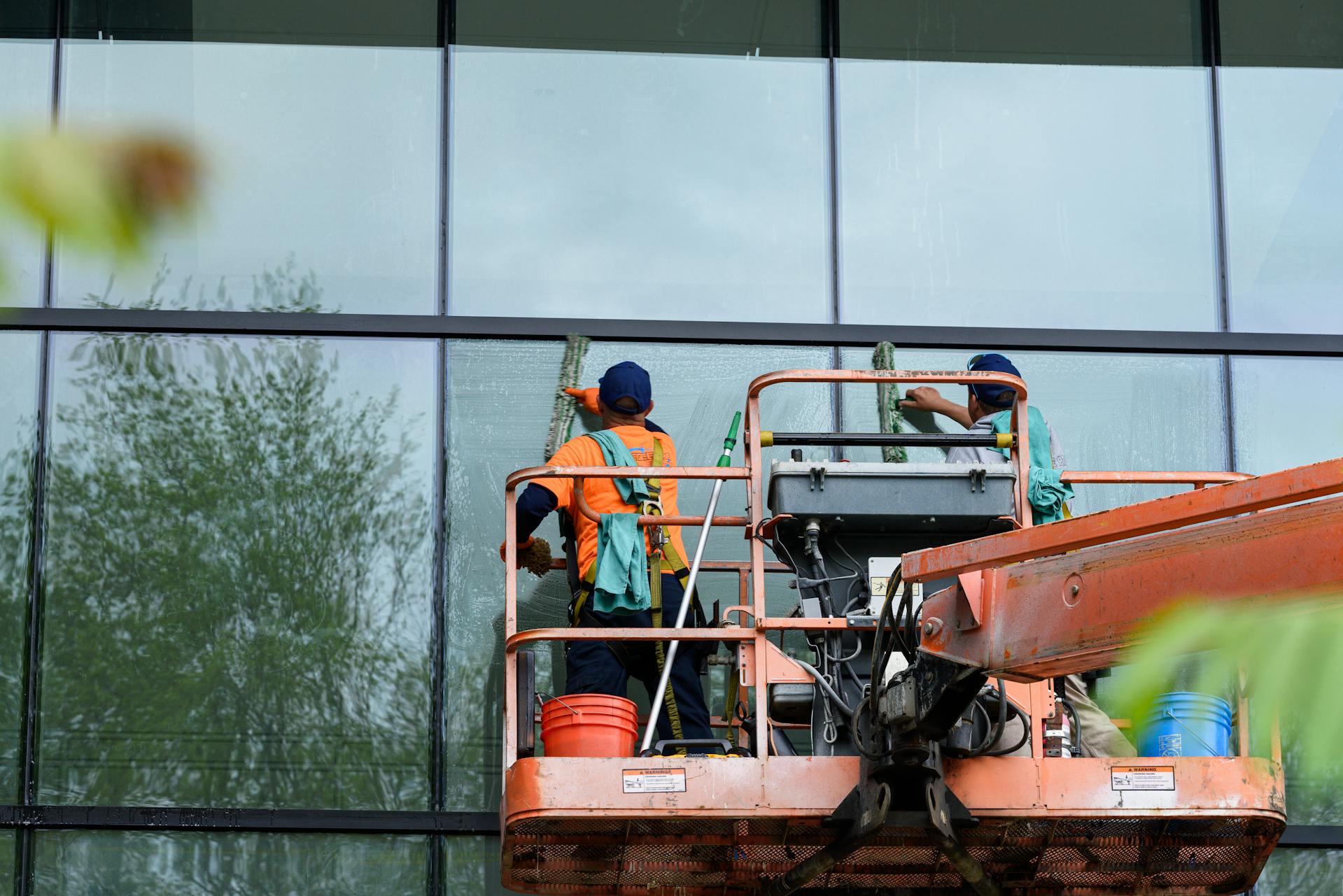
Clients and visitors make quick judgements. A spotless lobby, fresh-smelling meeting room, and shining glass windows all contribute to your brand’s first impression. Cleanliness subtly signals professionalism, attention to detail, and trustworthiness.
9. Tech-Driven Cleaning Is the Future
The cleaning industry is evolving. From robotic vacuum cleaners and UV disinfection to real-time air quality monitoring, tech is enhancing both efficiency and outcomes in commercial cleaning.
Emerging Innovations:
- IoT-enabled sensors for cleaning need detection
- Autonomous floor scrubbers
- Electrostatic sprayers for uniform disinfection
- Digital cleaning logs and real-time service feedback
Technology in cleaning is not just about novelty—it’s about data, transparency, and performance.
10. Commercial Cleaning is an Investment, Not a Cost
It’s easy to see professional cleaning as an extra expense, especially when reviewing budgets. A poorly maintained workspace increases the risk of staff getting sick, reduces overall productivity, and could even result in health and safety violations or a damaged business reputation.
Think of commercial cleaning as preventative maintenance for your workplace and workforce alike.